Singapore Guest Blog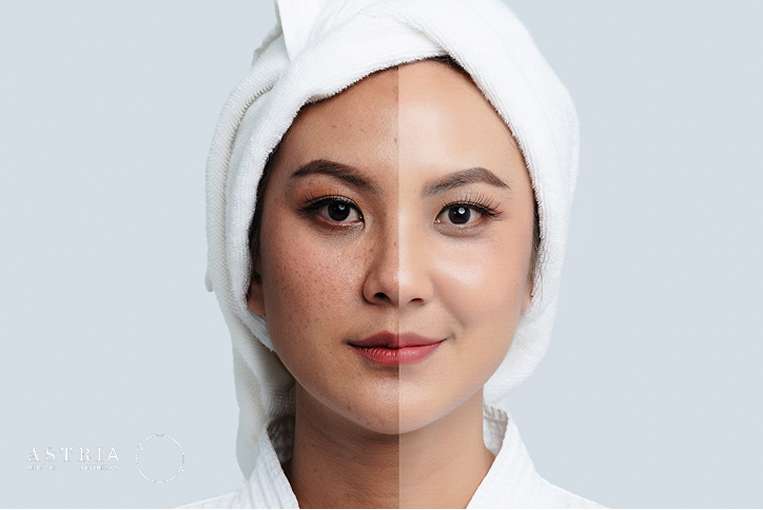
What is melasma?
Melasma is a chronic pigmentation disorder that appears as brown or grey patches on areas like the cheeks, forehead, nose, or upper lip. It is driven by overactive melanocytes that are triggered by factors such as hormones, UV exposure, heat, genetics and skin type, and it can sit in both the epidermis and dermis, which makes it harder to treat than superficial sunspots.
Why melasma is harder to treat
Unlike simple freckles or sun damage, melasma is more likely to worsen with aggressive peels or high‑energy lasers and tends to recur with even small hormonal or UV changes. Because of this, treatment in Singapore—where sun and heat are intense and many patients have melanin‑rich Asian skin—must prioritise non‑inflammatory, well‑calibrated methods under medical supervision.
Clinical assessment before treatment
A proper melasma journey usually begins with a detailed clinical skin assessment to identify whether the pigmentation is epidermal, dermal or mixed. This evaluation helps the doctor decide on safe laser parameters, how intensive the plan should be, and what topical products are suitable for the patient’s skin resilience and sensitivity.
Low‑fluence laser options
Many clinics in Singapore, including Astria Medical Aesthetics, use low‑fluence Pico Lasers that deliver ultra‑short pulses to break up melanin without overheating the skin. Different wavelengths are selected for different depths: around 532 nm for more superficial epidermal pigment and 1064 nm for deeper dermal pigment, with fractional modes used to stimulate collagen and support overall skin quality.
Importance of gentle settings
The key with Melasma treatment singapore is to use gentler laser settings repeated over multiple sessions, rather than chasing fast results with high energy that can trigger post‑inflammatory hyper pigmentation. This layered, low‑fluency approach is particularly important for Chinese, Malay, Indian and mixed‑ethnicity skin, where over‑treatment can cause darkening or patchy rebound.
Supporting skincare and barrier repair
Laser alone is rarely enough; a barrier‑repair focused skincare routine helps calm the skin and maintain results. Common components include non‑irritating brighteners such as azelaic acid or tranexamic acid, antioxidants like niacinamide, barrier‑strengthening hydrators such as ceramides or panthenol, and pH‑balanced cleansers that avoid stripping the skin.
Maintenance and session expectations
Most patients are advised to undergo a series of about 10 sessions, spaced roughly 3–5 weeks apart, to see optimal fading of pigmentation. After this active phase, many clinics recommend maintenance visits every few months—often with lower‑dose laser or continued topical pigment inhibitors—to keep melasma under control.
Realistic results and limitations
Melasma cannot be permanently “cured,” and even with good treatment, it remains a condition that requires ongoing management. Results depend on factors such as skin tone, hormonal status, adherence to homecare, and how well the patient avoids sun and heat exposure after each session.
Long‑term care tips in Singapore
For patients living in Singapore’s tropical climate, strict daily use of broad‑spectrum SPF 50+ with physical blockers is one of the most important habits to prevent recurrence. It is also advisable to avoid unnecessary heat exposure (like saunas or very intense outdoor workouts), choose gentle, pigment‑friendly skincare, and consider periodic maintenance treatments to keep pigmentation stable over time.